
Renting in Australia – How It Works
Renting a home in Australia can feel very different from the UK, so it helps to know the rules and expectations before you start your search. The process is generally transparent, but it’s competitive — especially in cities like Sydney, Melbourne, and Brisbane.
Estate Agents are called Real Estate in Australia.
How to Apply for a Rental (and Why It’s Competitive)
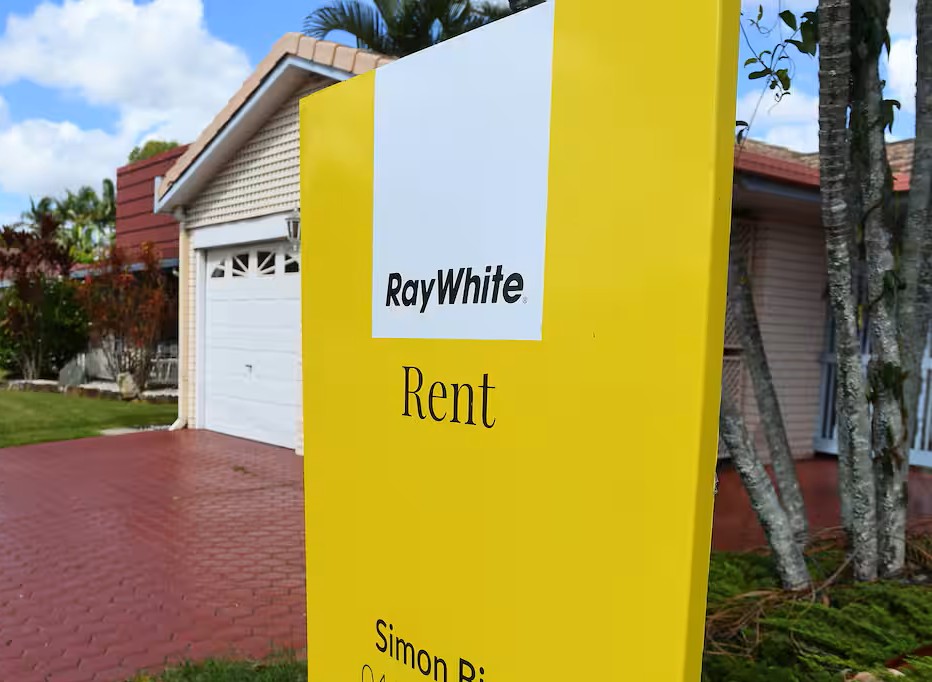
Clean, complete applications with references often win
Prepare your application documents in advance:
Landlords and agents usually ask for 100 points of ID: see HERE for details of what this means
Proof of income or employment (pay slips, job offer letter)
Rental history (references from previous landlords, if available)
Sometimes a cover letter introducing yourself
Submit applications quickly:
Rental listings can attract dozens of applicants within hours. Being ready to apply immediately increases your chances.
Why it’s competitive:
Australia has high demand for rentals in urban areas
Short supply of affordable housing means landlords can choose the “perfect” tenant
What is a Bond?
In Australia, a bond is a security deposit.
- Typically 4 weeks’ rent for most properties (varies by state and rental price)
- Held by a government authority or tenancy bond service, not the landlord
- Returned at the end of the tenancy if the property is left in good condition
- Used to cover unpaid rent or damage (beyond normal wear and tear)
Pro Tip: Treat the bond seriously — take photos of the property at move-in to avoid disputes. Photograph every little thing that is wrong with the property to prevent the Real Estate from claiming your bond to fix these items at the end of your tenancy.

Viewing a Rental Property
When you want to look at a rental property in Australia, you’ll usually attend a scheduled inspection.
Details of the scheduled open home will usually be on the site where you saw the property advertised. You just turn up at the advertised time.
This means there will often be other prospective renters viewing the property at the same time, so it can feel a little busy.
Don’t worry — this is normal. Use the opportunity to check the condition of the home, test taps and appliances, look at storage space, and ask questions about things like parking, facilities, or pet policies.
If the property is competitive, some people will apply on the spot – so consider having your application ready to go before the viewing.
Tips: How to Make the Most of a Shared Rental Inspection
Arrive early – you can get a closer look before it gets crowded.
Bring a checklist – note down what’s important to you: storage, appliances, natural light, noise, and parking.
Take photos or short videos – useful for remembering details later, especially if you see multiple properties.
Ask questions politely – the agent expects it, even with other people around. Good questions include:
- What’s included in the rent?
- Are pets allowed?
- How does parking work?
- How old are the appliances and systems?
Stay aware of the competition – if you like the property, submit your application quickly; popular rentals can get many applications in the same day.
Be courteous – respect other viewers’ space. You’ll make a good impression on the agent, which can sometimes help your application.

Understanding Inspections After You Move In
Inspections by the Real Estate are part of both renting and maintaining a property. There are three main types:
Entry / Move-In Inspection:
Document the property’s condition before you move in
Check walls, floors, appliances, and fixtures
Take photos and keep them safe for your records
Routine / Periodic Inspections:
Usually every 3–6 months
Agents check that the property is being cared for
They are not meant to interfere with your daily life
You’ll be given notice in advance
Final / Move-Out Inspection:
Compares the property condition with the entry report
Determines how much of your bond will be returned
Key Differences in Australian Rental Laws by State & Territory
| State / Territory | Bond | Rent Increases | Notice to Leave (Tenant) | Notice to Leave (Landlord) | Special Notes |
|---|
| New South Wales | Max 4 weeks’ rent | Can increase once per 12 months (if periodic) | 21 days | 90 days (no reason), 14 days for breach | Standardised forms must be used; condition report mandatory |
| Queensland | Max 4 weeks’ rent | Once per 6 months (if periodic tenancy) | 14 days | 2–6 weeks depending on reason | RTA provides free bond lodgement service; pets may require approval |
| Victoria | Max 1 month (for weekly rent ≤ $1,000) | Once per 12 months | 28 days | 60–120 days depending on reason | Rental property condition must be documented; family violence protections in place |
| South Australia | Max 4 weeks’ rent | Once per 12 months | 28 days | 60–120 days depending on reason | Fixed-term agreements must be in writing; landlord cannot enter without notice |
| Western Australia | Max 4 weeks’ rent | Once per 6 months (if periodic) | 21 days | 30–90 days depending on reason | Must provide condition report; landlord entry requires 7 days notice for routine inspections |
| Tasmania | Max 4 weeks’ rent | No more than once per 12 months | 14 days | 14–90 days depending on reason | Landlord entry requires 24 hours notice; pets require consent |
| Australian Capital Territory | Max 4 weeks’ rent | Only with 8 weeks’ notice | 21 days | 26 weeks (no reason) | Public housing rules apply differently; bond held by ACT Revenue Office |
| Northern Territory | Max 4 weeks’ rent | Once per 12 months | 14 days | 30–90 days depending on reason | Landlord must lodge bond with NT Government; pets require written approval |
Useful Links
Here are the official residential tenancy authorities or government rental information pages for each Australian state and territory — great to know so you can check your tenant rights, rules, bond info, disputes help and more:
📌 New South Wales (NSW)
👉 Official rental information and tenancy laws — NSW Fair Trading
https://www.fairtrading.nsw.gov.au/housing-and-property/renting
📌 Queensland (QLD)
👉 Residential Tenancies Authority – tenancy rules, bonds, disputes and forms
https://www.rta.qld.gov.au/
📌 Victoria (VIC)
👉 Consumer Affairs Victoria – Renting & tenancy info
https://www.consumer.vic.gov.au/housing/renting
📌 South Australia (SA)
👉 SA Government – Private renting info
https://www.sa.gov.au/topics/housing/renting-and-letting/renting-privately
📌 Western Australia (WA)
👉 Department of Commerce – Renting & consumer protection
https://www.commerce.wa.gov.au/consumer-protection/renting-home
📌 Tasmania (TAS)
👉 Consumer Affairs and Fair Trading – housing & tenancy
https://cbos.tas.gov.au/topics/housing
📌 Australian Capital Territory (ACT)
👉 ACT Government rental laws & tenant rights
https://www.act.gov.au/housing-planning-and-property/renting/rental-laws-in-the-act
📌 Northern Territory (NT)
👉 NT Government – residential tenancies information
https://nt.gov.au/property/homeowners-and-landlords/residential-tenancies
Acknowledgement of Country
We respectfully acknowledge the Yugambeh people, the Traditional Custodians of the land on which we live, work, and build this community. We honour their Elders past, present, and emerging, and pay our respects to all First Nations people all over this amazing country.